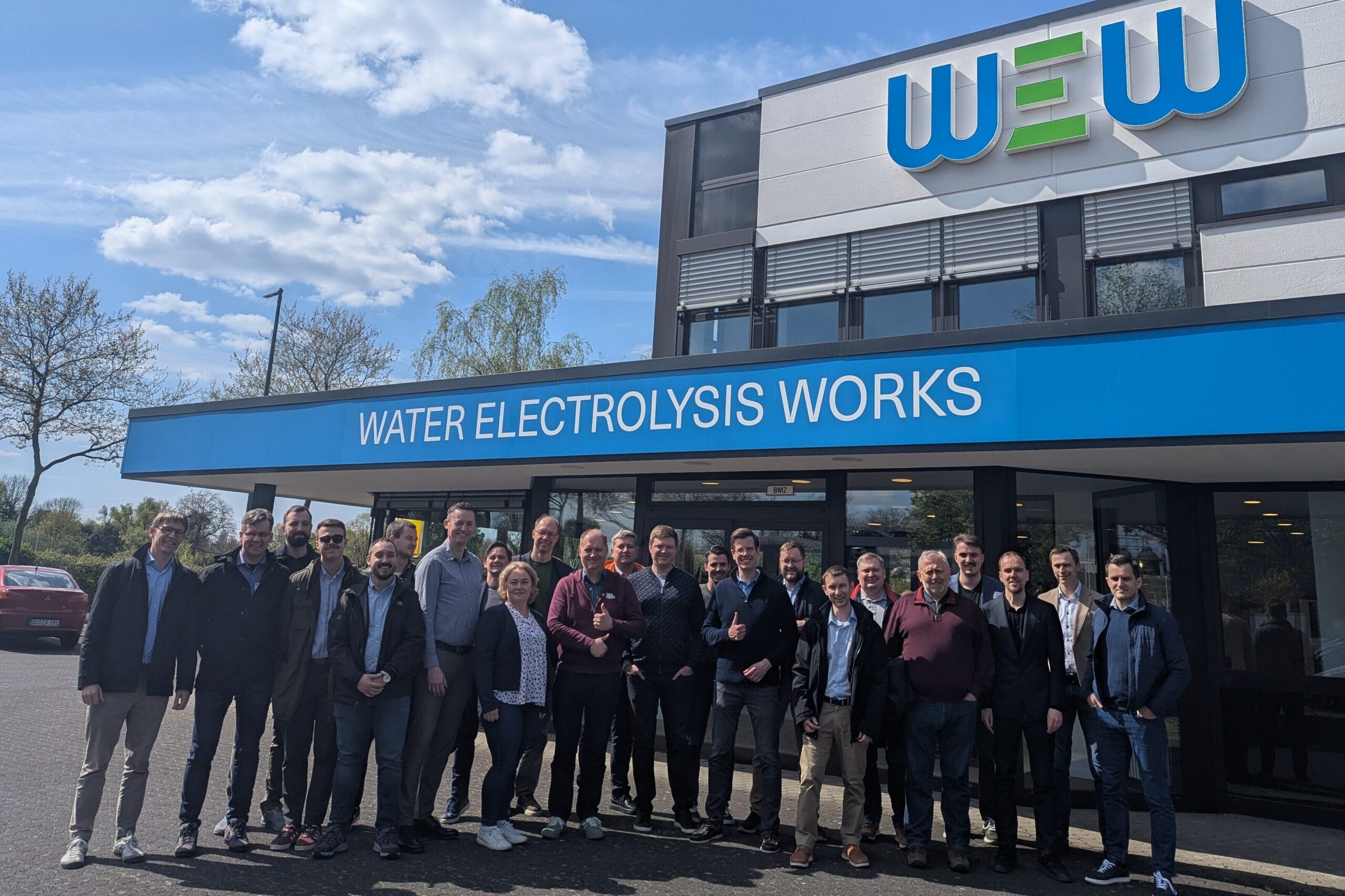
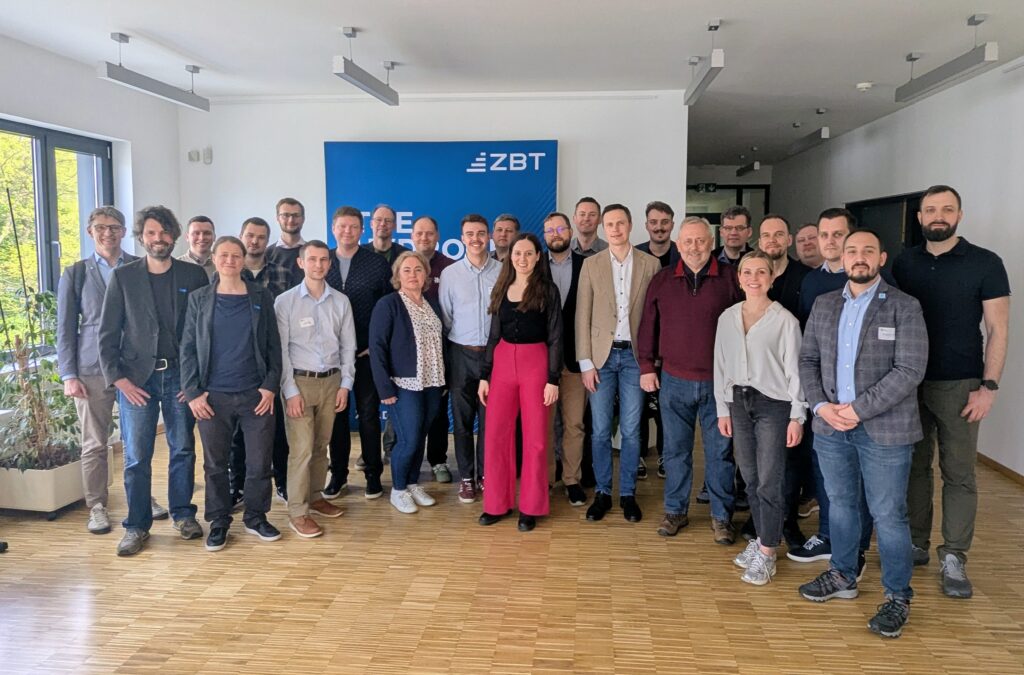
Estonian specialists in the hydrogen sector participated in a four-day study visit to Germany together with a Baltic delegation. The focus was on green hydrogen and the practical functioning of the entire value chain, from policy frameworks to technological solutions. The program was organized by energiewaechter GmbH and AHK Baltic States. Estonia was represented in the delegation by Metrosert, TalTech, the Ministry of Climate, Elering, and Utilitas.
The journey took the group through Frankfurt, Giessen, Cologne, Dortmund, Duisburg, and Marl. The visit began in Frankfurt, where a comprehensive overview of the German hydrogen value chain was mapped. Meetings with key players such as the German Energy Agency (dena), DECHEMA, H2BZ Hessen, and Ontras provided a clear overview of the national strategy.
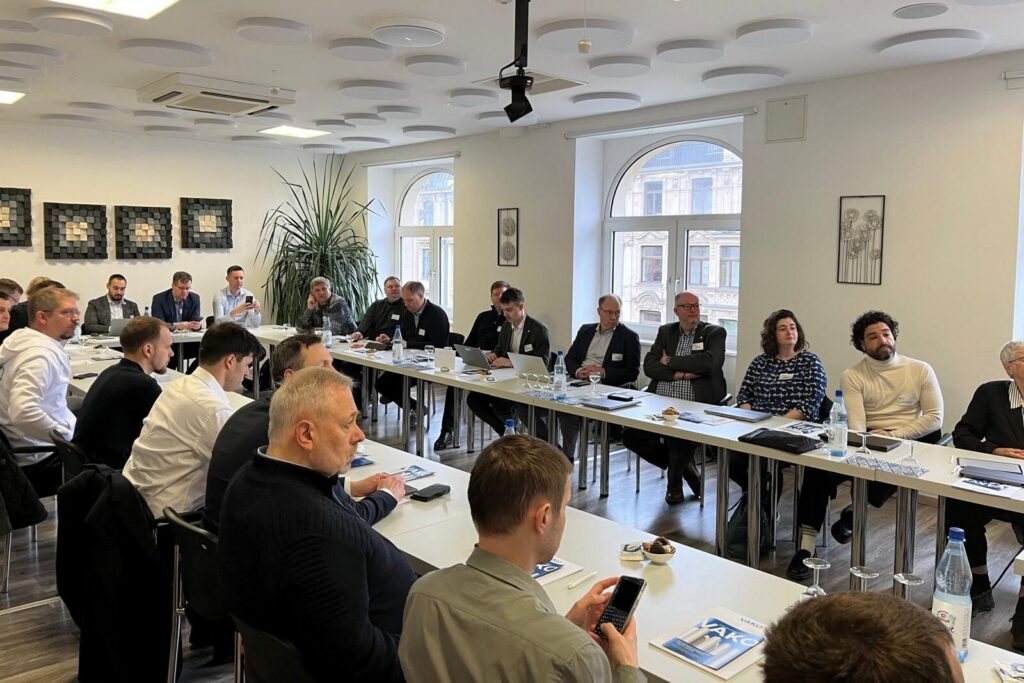
Particularly valuable were the discussions with TÜV Rheinland on standards, as well as the meeting with Archigas, a company focused on precise hydrogen measurement. Measurement technologies and standards form the foundation on which a reliable hydrogen economy is built.
Inspiration was provided by hydrogen pioneer and physicist Birgit Scheppat, whose decades of experience ranging from fundamental science to industrial applications confirmed that the technology has made a significant leap and is ready for broader deployment. This is a marathon where a long-term perspective must be maintained.
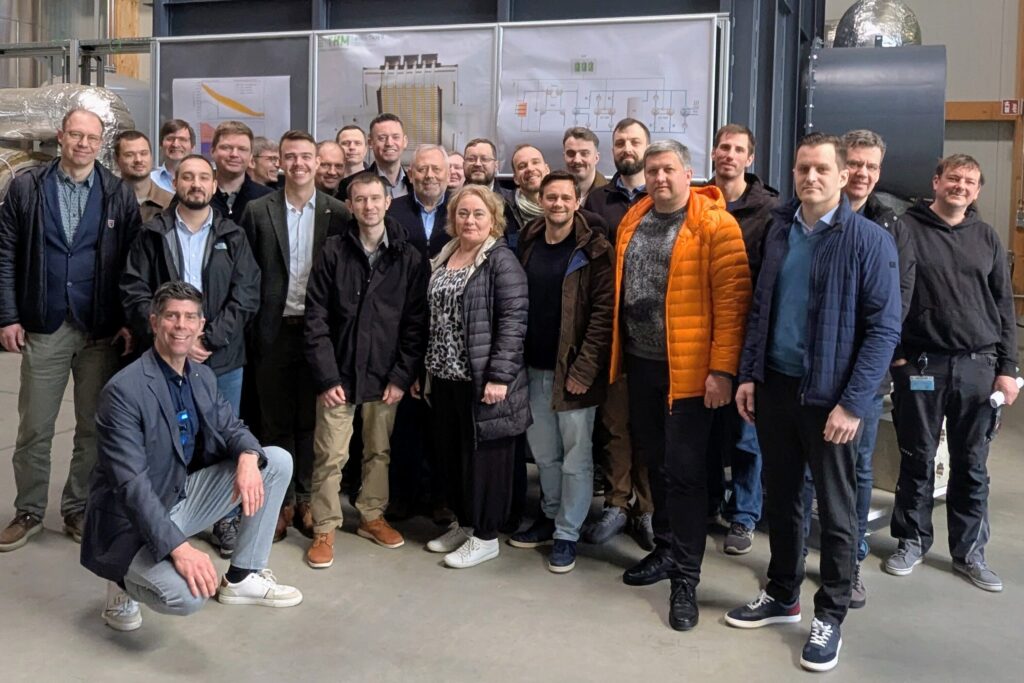
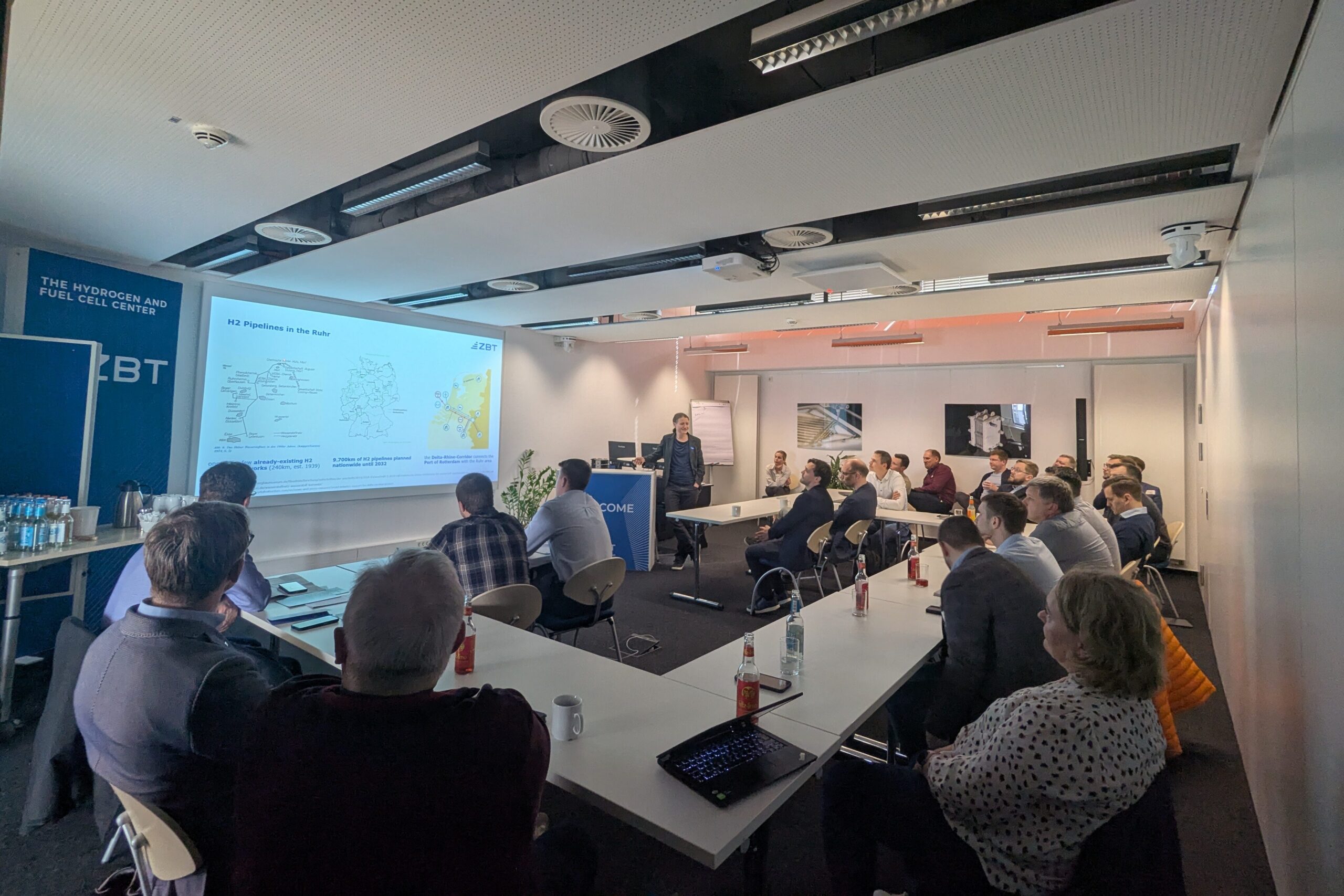
One of the key objectives of the trip was to gather practical input for the development of Estonia’s hydrogen test center. Several competence centers and laboratories were visited. At INERATEC’s “ERA ONE” pilot plant, participants observed a functioning e-refinery, where synthetic fuel is produced from green hydrogen and CO₂. Research institutions THM, ZBT, and EMCEL provided clarity on what kind of testing infrastructure is both reasonable and necessary to establish in Estonia.
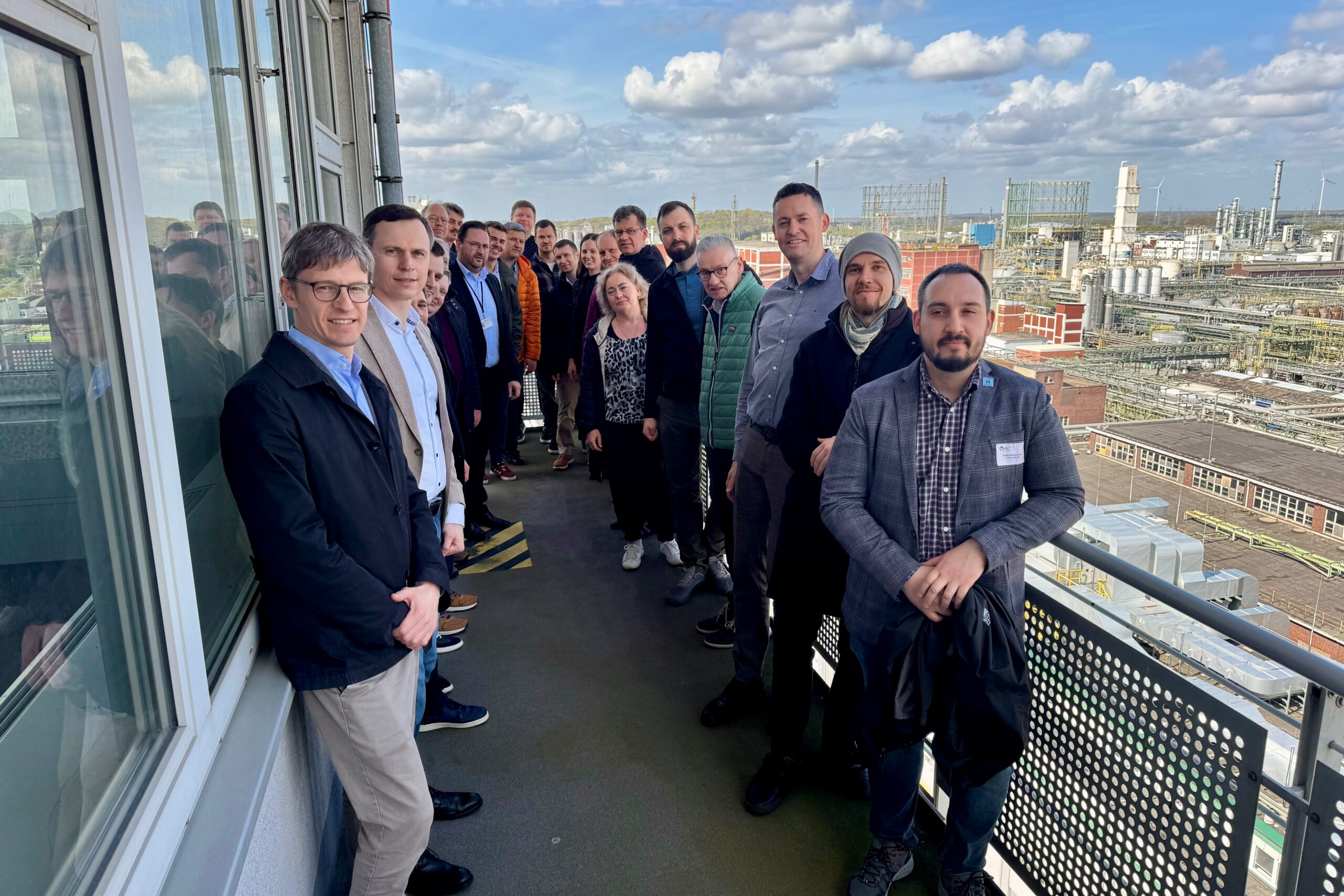
The delegation also visited the Evonik chemical park in Marl – an impressive 6 km² industrial complex. Evonik’s annual budget exceeds the state budget of Estonia. Although hydrogen infrastructure there is already operational, Germany still faces major challenges in reducing dependence on fossil fuels. The visit confirmed that transitioning to hydrogen in critical sectors is a complex process, where the technology exists, but policy, regulation, and pricing still require harmonization.
Germany’s ambition is to export technology and import energy. We see significant opportunity for Estonia in this regard. We already possess technological expertise. Why not make hydrogen and deep tech our new superpower and create the next unicorns precisely in this field?